Your heart works tirelessly, every moment of every day. The good news is that the food on your plate can help it work more comfortably. Heart-healthy eating is not about strict rules or bland meals. It is about choosing ingredients that nourish your body and taste wonderful too.
Choose healthy fats
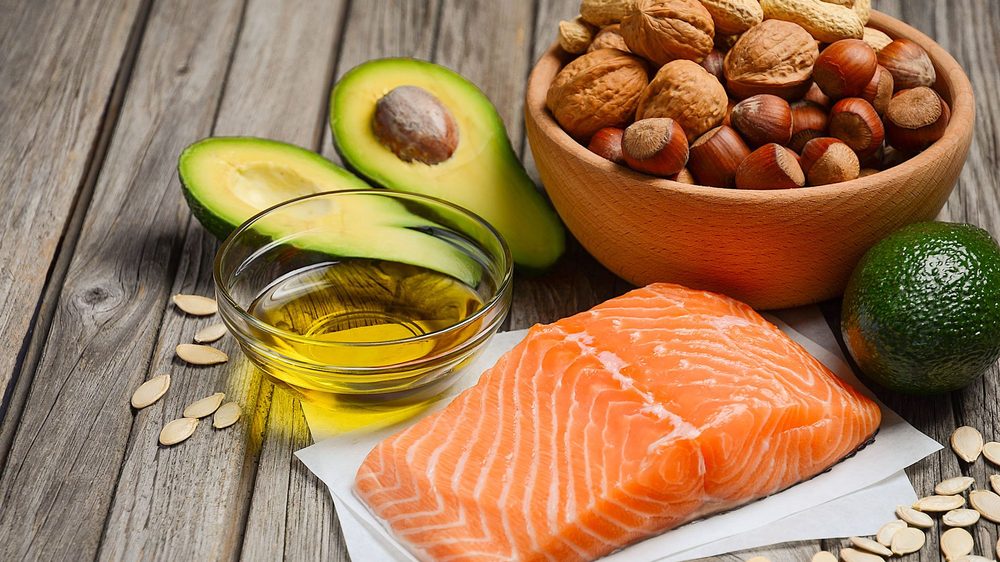
Not all fats are equal. Olive oil, avocado, nuts, seeds and fatty fish such as salmon provide beneficial fats that support healthy cholesterol and circulation. Try swapping heavy butter or fried foods for these options, and enjoy a small handful of nuts as a satisfying snack.
Fill your plate with plants
Vegetables, fruit, beans, lentils and whole grains are rich in fiber, vitamins and natural compounds that protect the heart. Fiber in particular helps manage cholesterol and keeps you feeling full. Aim to make plants the star of most meals, with other foods playing a supporting role.
A colorful plate is often a heart-friendly plate. Let nature's palette guide your shopping.
Go easy on salt and sweet extras
Too much salt can put extra pressure on blood vessels, and sugary drinks and heavily processed snacks quietly add strain over time. Flavor your food with herbs, garlic, lemon, pepper and spices instead. Reading labels and cooking at home more often makes it simple to stay in control of what you eat.
Small swaps that add up
- Choose whole-grain bread, oats and brown rice over refined versions.
- Bake, grill or steam foods instead of deep frying them.
- Replace sugary drinks with water, herbal tea or sparkling water with fruit.
- Keep fresh fruit visible and ready to grab.
Pair good food with a good plan
Nutrition is one powerful piece of heart health, alongside movement, rest, stress management and regular screenings. If you have concerns about blood pressure, cholesterol or family history, our cardio health and nutrition specialists can design a plan just for you.